
Under Krigen i 1864 var der kun få træfninger imellem den danske og den preussiske flåde. Årsagen var åbenlys – nemlig den danske flådes totale overlegenhed. Som i Treårskrigen havde den spærret de tyske østersø havne og dermed opnået, dels at ødelægge den tyske handel af søvejen, og dels at hindre den lille preussiske flåde i at understøtte hærens operationer. Men helt opgivet havde den preussiske flåde ikke, og den 17. marts kom det en kort, men heftig kamp ved Rügen.
af Gert Laursen
Under Krigen i 1864 var der kun få træfninger imellem den danske og den preussiske flåde. Årsagen var åbenlys – nemlig den danske flådes totale overlegenhed. Som i Treårskrigen havde den spærret de tyske østersøhavne og dermed opnået dels at ødelægge den tyske handel af søvejen, og dels at hindre den lille preussiske flåde i at understøtte hærens operationer.
Den preussiske hærs øverstbefalende, general Moltke, insisterede på at flåden forsøgte at slå sig igennem den danske blokade til Flensborg fjord, hvor den kunne støtte hæren i dens overgang til Als og muligvis endda til Fyn.
Den preussiske flådes chef, Prins Adalbert, var ikke uvillig til at gøre et forsøg herpå, og beordrede søkaptajn Jachmann til at bryde den danske blokade eller i det mindste at genere de danske skibe så meget som muligt, og på samme tid give de preussiske søfolk noget kamperfaring.
Til sin rådighed havde han korvetterne Arcona og Nymphe, dampskibet Loreley samt en kanonbådsdivision. En rekognoscering den 16. marts afslørede tre danske krigsskibe udfor Swinemünde (nuværende Swinouscie i Polen) og Jachmann besluttede at forsøge et angreb på dem næste dag med sin samlede styrke.
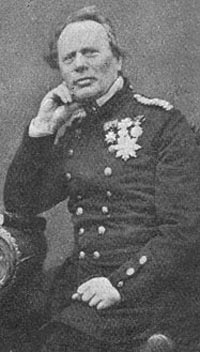
Den danske eskadre
De danske krigsskibe som Jachmann havde observeret var fregatten Sjælland og korvetterne Hejmdal og Thor, som var en del af den danske blokadestyrke under admiral van Dokum. Eskadren var yderligere blevet forstærket med skruelinjeskibet Skjold, men pga. vejret nåede det først frem d. 17. marts, og blev altså ikke observeret under Jachmanns rekognoscering. Den danske eskadre havde nu et betydelig overvægt af ildkraft i forhold til den preussiske.
Styrkeforholdet så således ud:
Den danske flåde:
- Skruefregatten Sjælland, 42 stk. 30 pdr. kanoner
- Skruelinieskibet Skjold, 58 stk. 30 pdr. kanoner
- Skruekorvetten Hejmdal, 14. stk. 30 pdr., 2 stk. 18 pdr. kanoner
- Skruekorvetten Thor, 12 stk. 30 pdr. kanoner
Den preussiske flåde:
- Korvetten Arkona, 6 stk. 68 pdr., 20 stk. 36 pdr. kanoner
- Korvetten Nymphe, 10 stk. 36 pdr., 6 stk. 12 pdr kanoner
- Hjuldamperen Loreley, 2 stk. 12 pdr. kanoner
- Kanonbådsdivisionen, 6 kanonbåde (6 eller 12 kanoner)
Den preussiske plan
Jachmanns plan var at angribe de danske skibe frontalt, og derefter svinge imod øst for at de preussiske skibe kunne affyre deres bredsider imod de danske skibe. Herefter skulle de kæmpende trække sig tilbage imod Svinemünde igen. Kanonbådsdivisionen skulle dække deres tilbagetog. Umiddelbart lød det ikke til at Jachmann selv troede på at det var muligt at vinde en søkamp imod danskerne. Hans skibe havde dog en lille fordel over de danske – nemlig deres fart.
Kampen
Kl. 7.30 d. 17. marts løb Jachmann med Arcona og Nymphe ud fra Svinemünde. Han satte først kursen imod øst, hvor man dagen før mente at havde observeret et dansk krigsskib, men da man ikke fandt noget skib her, der kunne true deres tilbagetrækning, satte man kursen imod nordvest. Udfor Thissow stødte Loreley og kanonbådsdivisionen til, og sammen satte de kursen imod de danske skibe. Pga. af en misforståelse trak kanonbådene sig dog tilbage ind under land.

De preussiske skibe var blevet observeret af den danske eskadre, og van Dokum gav ordre til at sætte dampen op, og eskadren stod ned imod fjenden. Kl. 14.50 faldt det første skud fra Arcona, men pga. afstanden landede det langt foran de danske skibe. Nogle minutter senere var afstanden mindsket til omkring 1500 meter. Både Arcona og Sjælland svingede imod styrbord og åbnede ild med deres bagbords kanoner. Nymphe og Loreley fulgte Arconas drejning og begge eskadre beskød hinanden livligt under forbisejlingen. De preussiske skibe forsatte bevægelsen rundt og satte nu fuld fart imod sydvest.
De danske skibe iværksatte forfølgelsen, og Sjælland der var noget forud fra de andre danske skibe, satte kursen imellem de fjendtlige korvetter. Her blev den modtaget af så voldsom en ild fra Arcona og Nymphe, at skibet måtte mindske farten for at lade Skjold nå op i kølvandet på fregatten. Dette gav den preussiske eskadre så stort et forspring at den var umulig at indhente.

(maleri af Alex Kircher)
Van Dokum gav nu ordre til at lade Sjælland først svinge til bagbord og derefter til styrbord for at få bredsiderne til at bære på de fjendtlige skibe, i håb om at tilføje dem skade før de var uden for rækkevidde. Og manøvren var ikke været uden virkning. Loreley blev beskadiget og satte sammen med kanonbådene kursen imod Peerd. Nymphe fik skorstenen og et damprør beskadiget og måtte for en stund formindske farten.
Skød hovedet af 2 mand
Admiral van Dockum var ombord hos os, og efter Slaget holdt Admiralen en Tale til os. Han var svært forhøjet med Slagets Gang. En Kugle ramte i Mærset og skød Hovedet af 2 Mand. En Baad fra et af de andre Skibe lagde paa Siden af os og fik de Døde og mest Saarede med, og saa gik de med dem til København.Christian Nielsen på “Sjælland” (Marineveteraner fra 1864 fortæller)
Men det var ikke nok til at de danske skibe kunne indhente fregatterne. Et stykke tid endnu fortsatte skydningen fra Sjællands bovkanoner og fregatternes agterkanoner før kampen kl. 16.45 stoppede helt. Kl. 20. nåede de 2 korvetter i sikkerhed ved Swinemünde, og den danske eskadre sluttede forfølgelsen.
Afslutning
De danske tab var 3 døde og 19 sårede, imens preusserne havde lidt et tab på 6 døde og 6 sårede. Alle skibe var blevet ramt en del gange, men ingen var alvorligt beskadigede.
Det var også afslutningen på den preussiske Østersø eskadres indsats i krigen. Kampen vidste tydeligt at den preussiske flåde ingen chance havde imod den danske flåde.
At bryde den danske blokade var en umulighed, og at slå sig igennem til Flensborg fjord for risikabelt, og for resten af krigen vågede Østersø eskadren sig ikke ud.

Men nu nærmede en betydelig større trussel sig Danmark. Østrigerne havde i et stykke tid arbejdet på at samle en eskadre der skulle komme deres preussiske allierede til hjælp, og de besad en flåde der kunne måle sig med den danske. 2 måneder efter kampen ved Rügen stødte de to eskadrer sammen ved Helgoland, men denne gang stod danskerne overfor en fjende der ikke var indstillet på at trække sig tilbage.
Læs mere:
Vores Sømagt Historie, O. Eidem, O. Lütken
Søkrigsbegivenhederne i 1864, O. Lütken